The Critical Challenge

Climate disasters are devastating agriculture globally, but assessment methods remain dangerously slow

Agricultural disasters affect millions of farmers worldwide, threatening food security and rural livelihoods. Traditional damage assessment methods are slow, labor-intensive, and inadequate for the scale and urgency of modern agricultural challenges.

Monsoon 2025: A Case Study in Assessment Failure

Nepal's monsoon season 2082 BS (2025 AD) affected all 77 districts, caused 140 deaths, and directly impacted 5,995 families. According to Nepal's NDRRMA, traditional assessment methods require weeks when hours matter most.
140
Deaths in Monsoon 2025
5,995
Families affected
77
Districts impacted
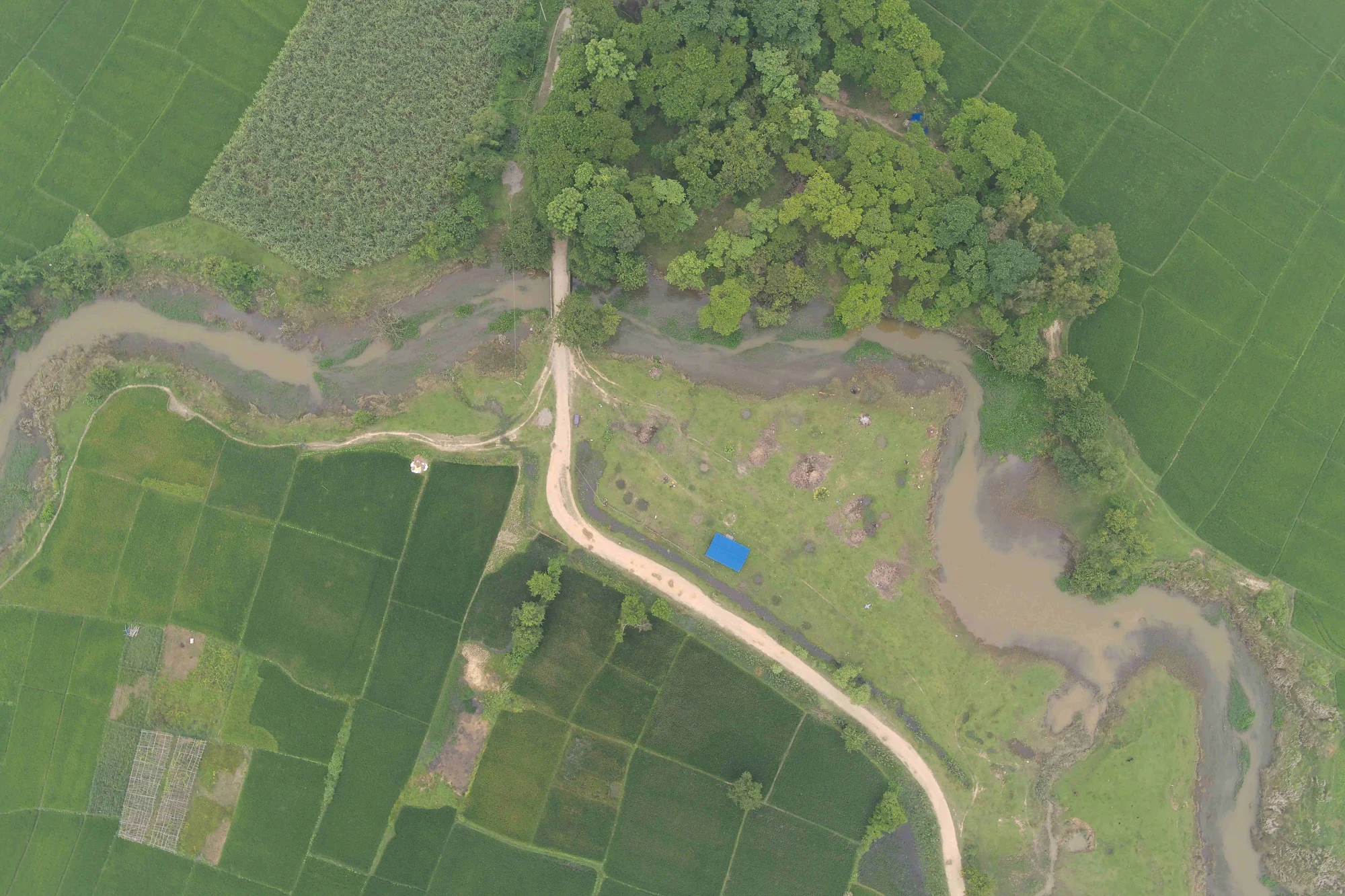
Pre-flood agricultural area
Before Flood
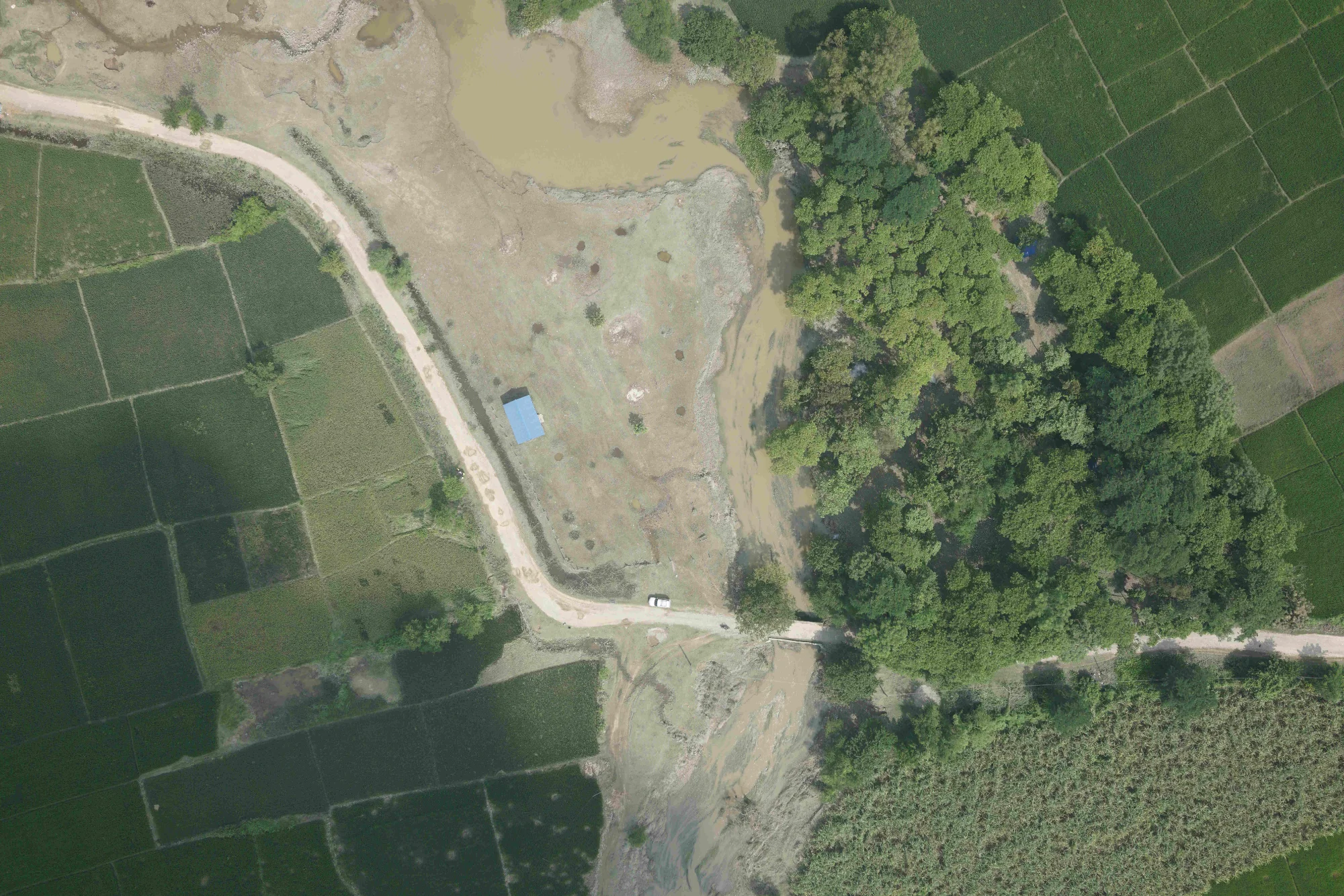
Post-flood agricultural area
After Flood
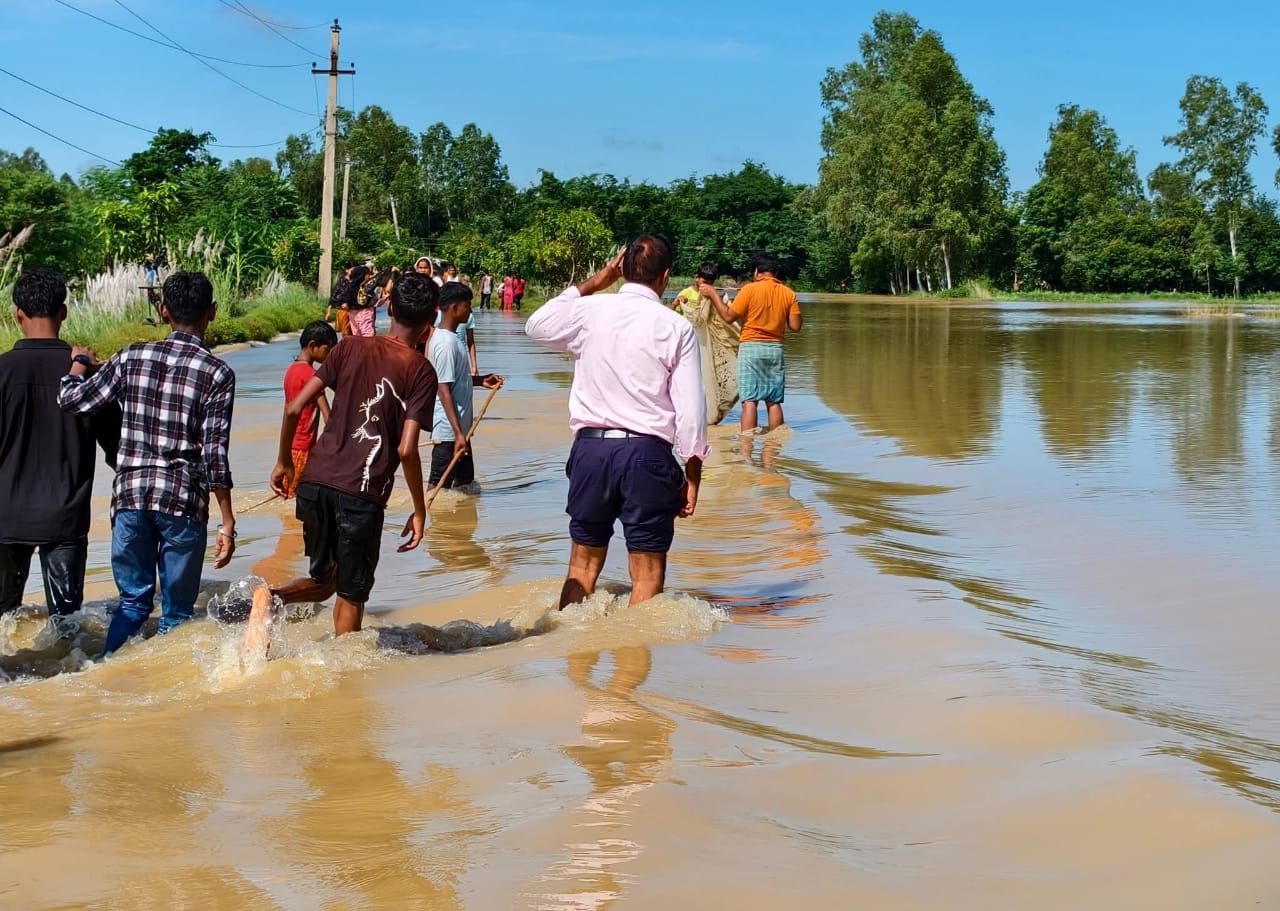
Community flood response
Local communities responding to flood emergency - demonstrating the immediate human impact of agricultural disasters
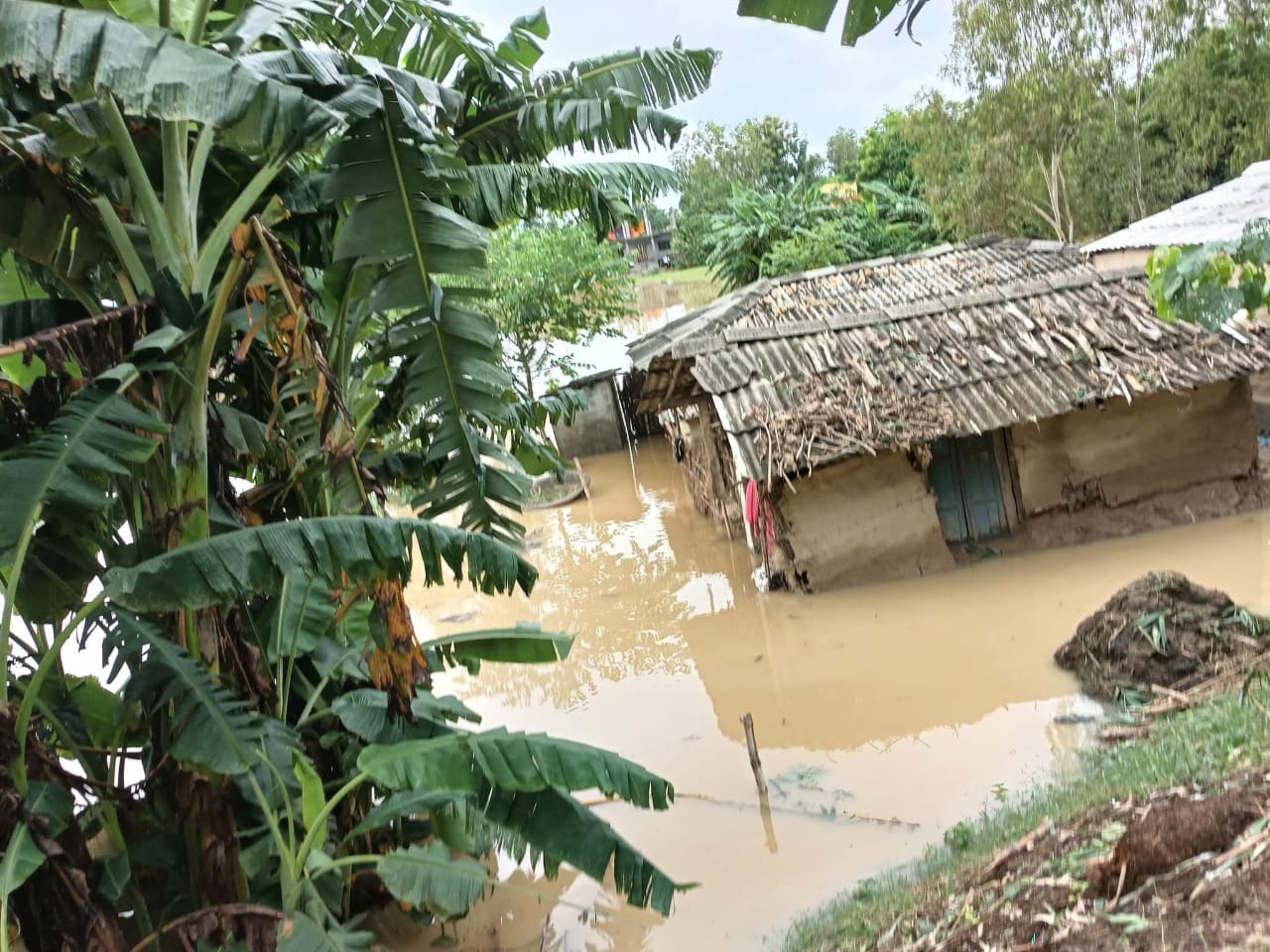
Flooded rural homes
Rural homes submerged in flood waters, displacing families and destroying livelihoods
Flooded rice fields
Extensive rice fields under water - crops that took months to grow destroyed in days
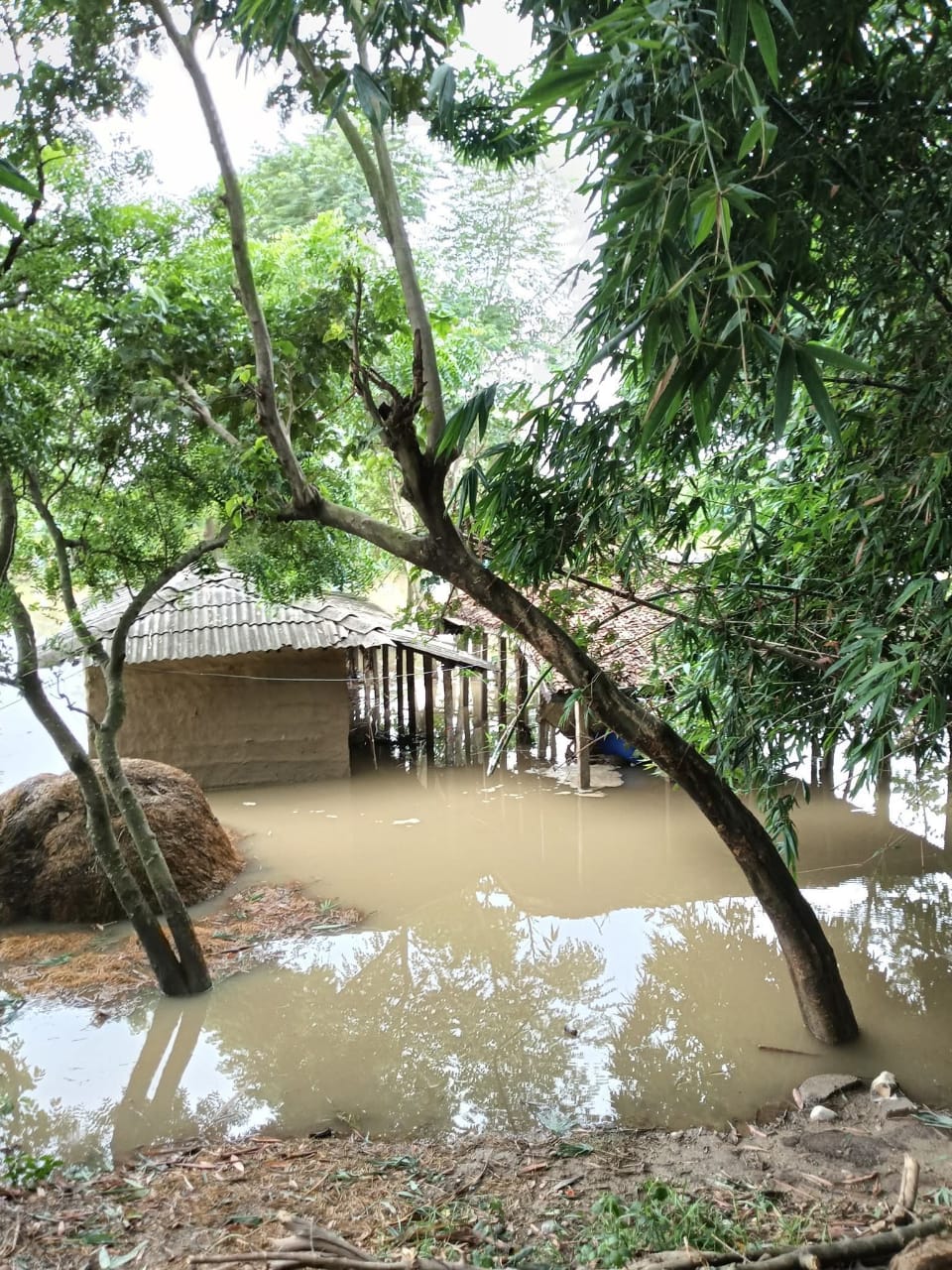
Infrastructure damage from floods
Critical infrastructure damage affecting agricultural communities and food distribution
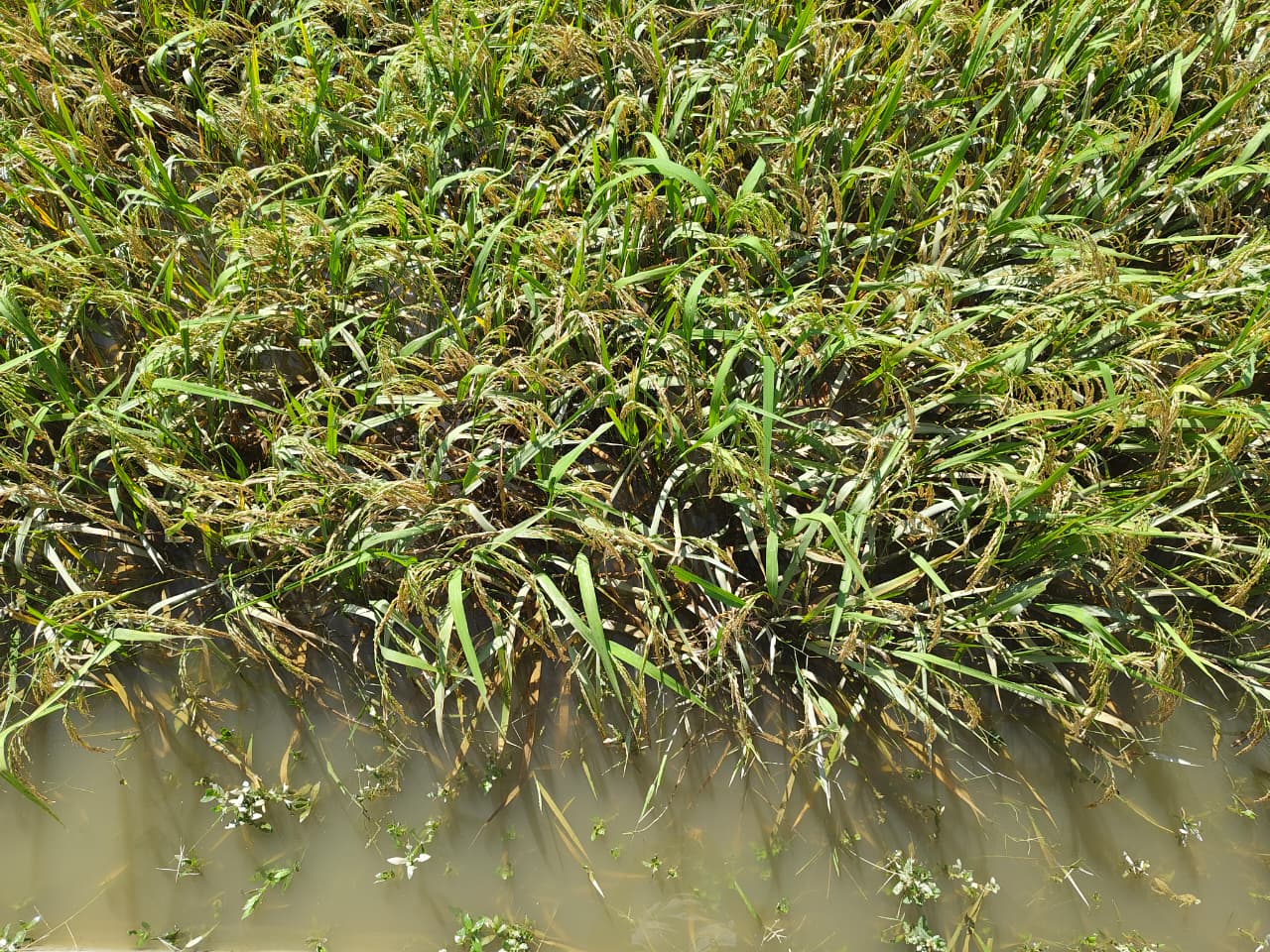
Damaged rice crops
Close-up view of flood-damaged rice crops showing the detailed assessment challenge

Recent studies reveal systematic climate-driven agricultural devastation. Heavy rains in October 2025 alone caused Rs 3.5 billion in crop damages. Systematic reviews spanning 1979–2024 show persistent impacts on food security and yields (Aryal et al., 2025). Yet losses remain fragmented and inconsistently reported.
1.3B
People dependent on agriculture globally
83%
Of agricultural disasters driven by floods & droughts
72 hrs
Critical response window

AI-Driven Assessment System

Advanced computer vision and machine learning for rapid agricultural damage evaluation

Our AI-driven system processes high-resolution satellite imagery, drone footage, and ground-based photographs to automatically detect, classify, and quantify agricultural damage across vast landscapes using advanced computer vision models and machine learning algorithms.

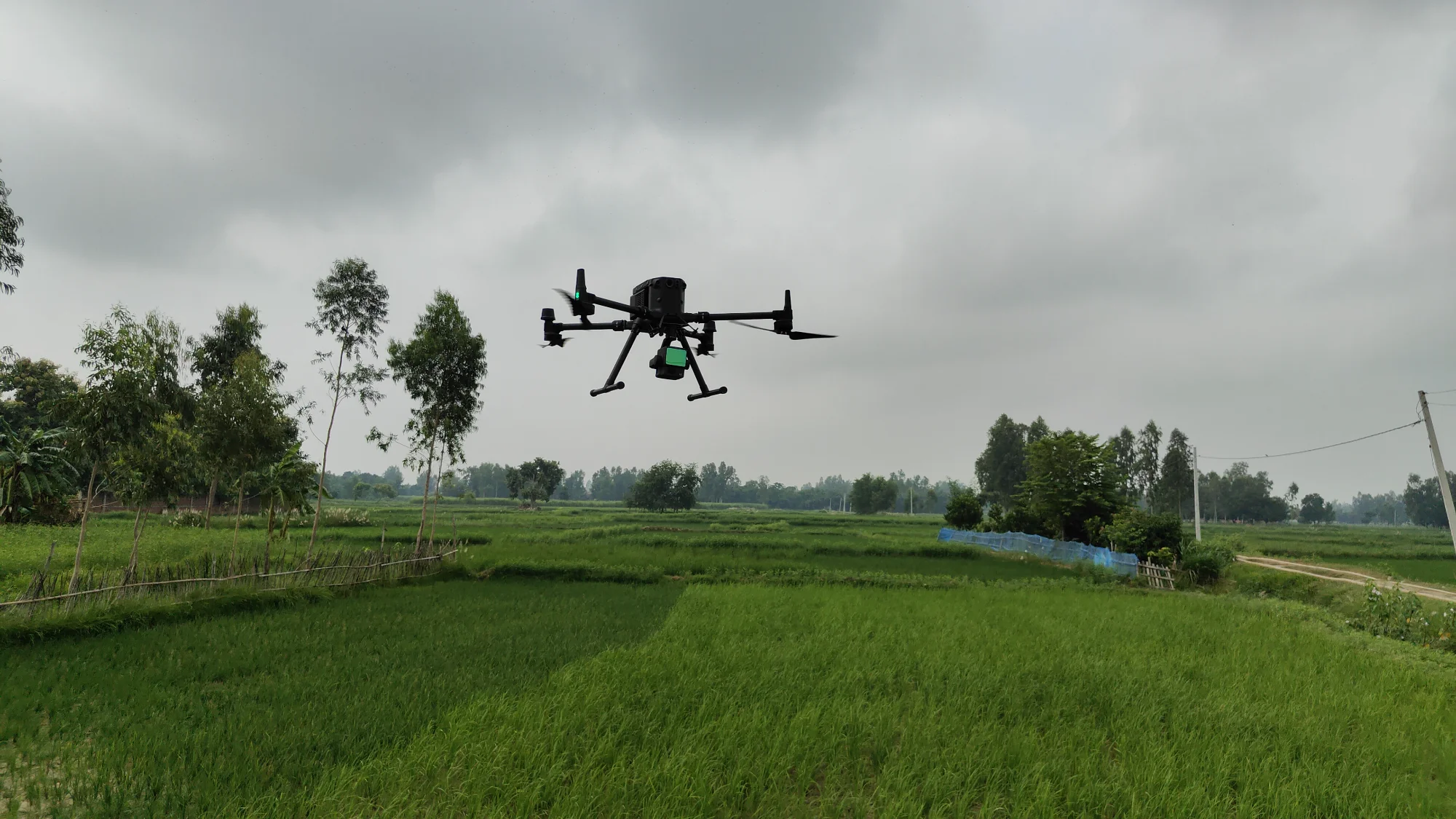
Drone conducting field survey
Autonomous drone conducting agricultural damage assessment over flood-affected areas
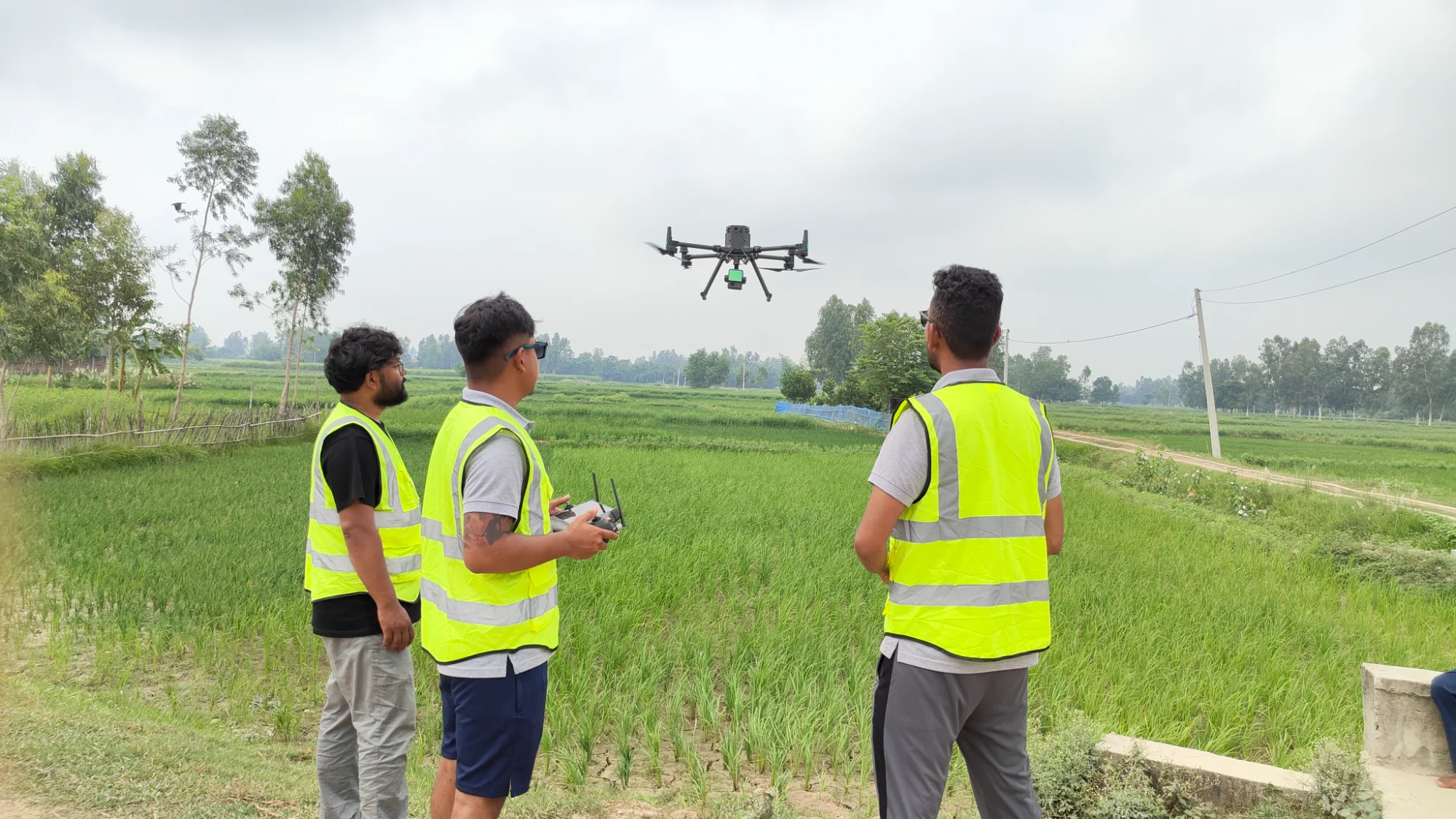
Field assessment team
Professional field assessment team operating drone technology for comprehensive damage evaluation
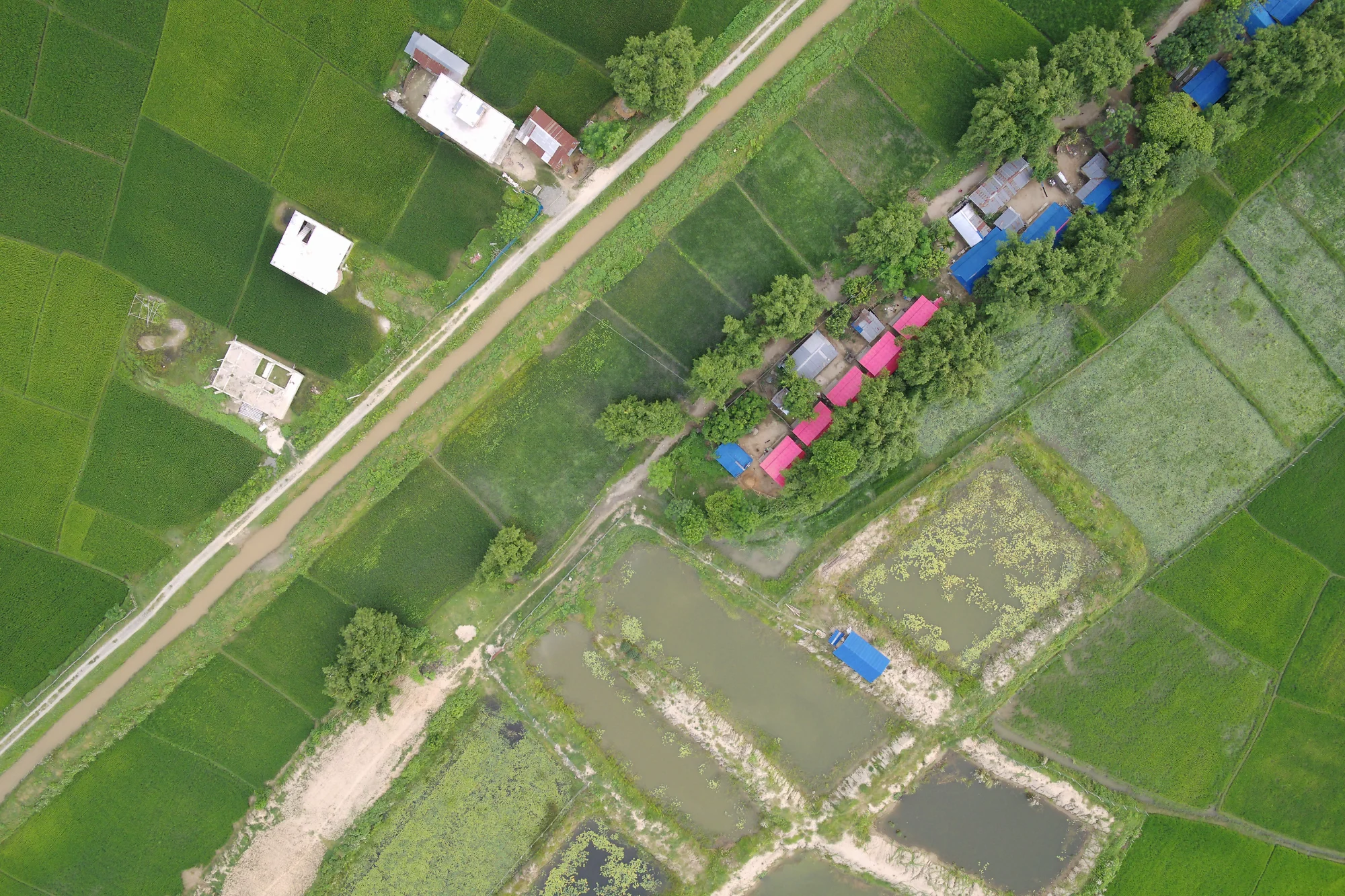
Aerial view of flood affected village
Aerial perspective showing the scale of assessment challenge - comprehensive view only possible through drone technology
🛰️

Multi-Source Analysis

Integrates satellite imagery, UAV data, and ground photography for comprehensive assessment coverage at multiple scales.

🤖

AI-Powered Detection

Advanced computer vision models trained on diverse agricultural landscapes to accurately identify and classify crop damage.

Rapid Response

Delivers assessment results within hours instead of weeks, enabling immediate response and resource allocation.

Partnership & Collaboration

Bringing together global expertise and cutting-edge research for agricultural resilience

This project represents a comprehensive approach to building agricultural resilience through community engagement, capacity building, and international collaboration. Beyond technology development, we prioritize knowledge transfer and local empowerment to create sustainable impact.

Community Engagement & Capacity Building

Our November 2025 workshop in Kathmandu brought together young professionals, private-sector experts, and community members for comprehensive training in AI-driven agricultural assessment technologies. The program covered UAV operations, AI applications, national policies, and pilot certification - strengthening Nepal's capacity for faster, more accurate, and inclusive disaster response.

The initiative benefits from multi-level partnerships spanning international organizations (FAO), research institutions (NAAMII), technology providers (NAXA), and implementation support through AI SENSE LLC, which brings over 40 years of technical experience in civil engineering, computer science, database architecture, and AI/ML systems development.

FAO Nepal at World Food Forum Rome
FAO Nepal presenting "Partnering up for food security" at the Science Innovation Forum during World Food Forum, Rome - showcasing the AI-driven agricultural assessment solution to the global community
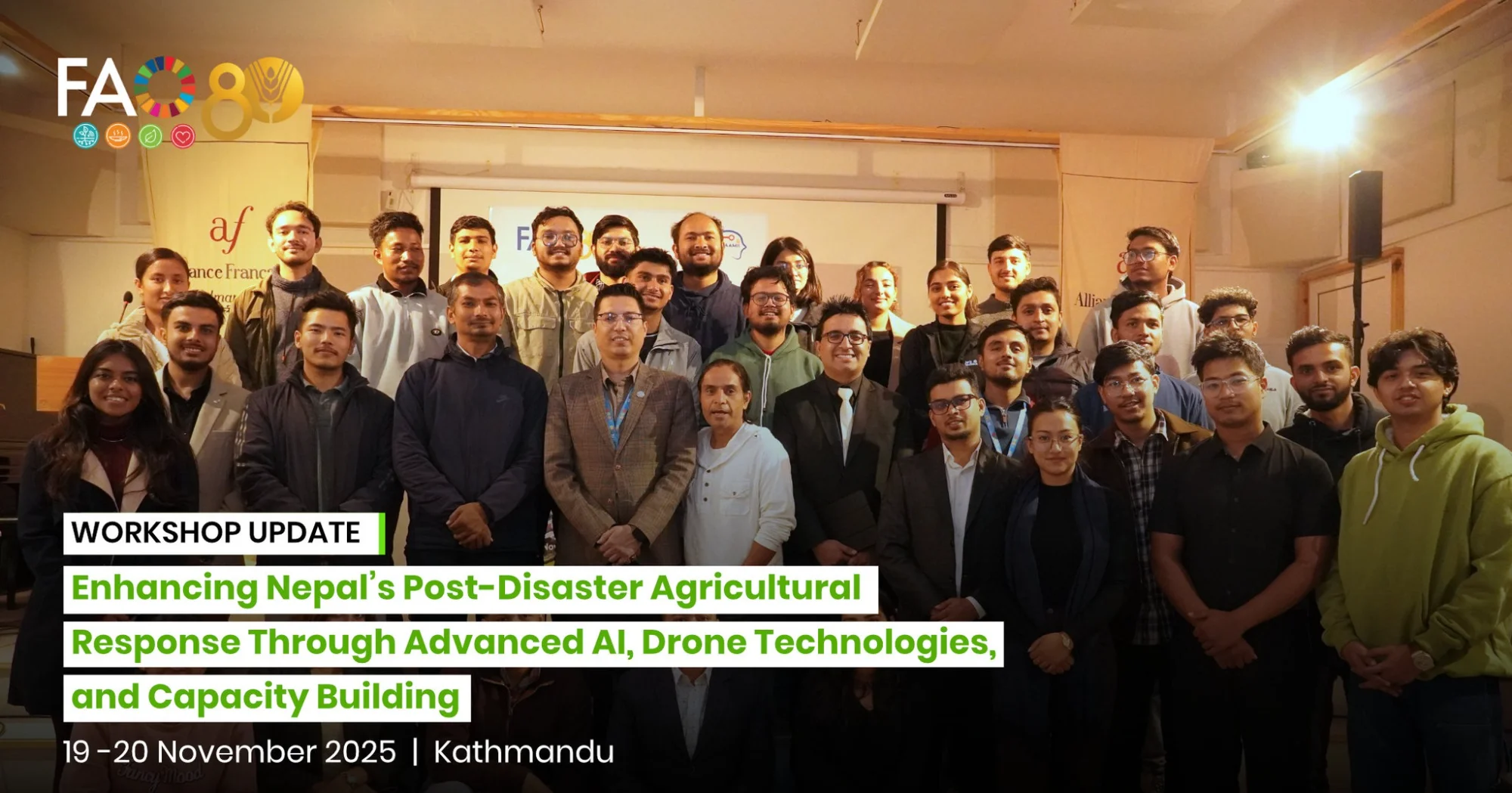
Workshop overview from Kathmandu
Enhancing Nepal's Post-Disaster Agricultural Response Through Advanced AI, Drone Technologies, and Capacity Building - November 19-20, 2025, Kathmandu
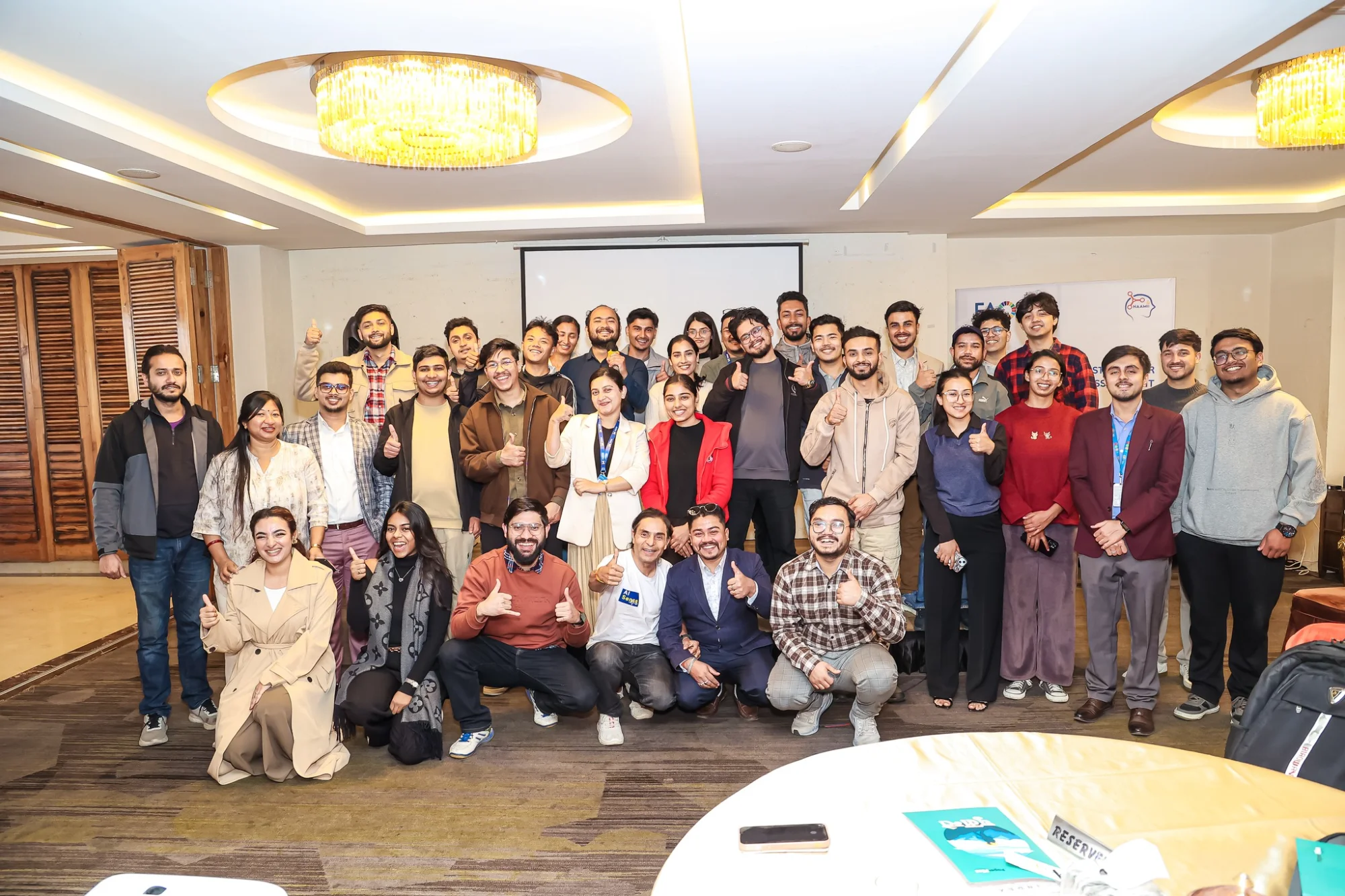
Workshop participants celebrating
Celebrating success: Participants and trainers from the comprehensive workshop on AI-driven agricultural damage assessment technologies
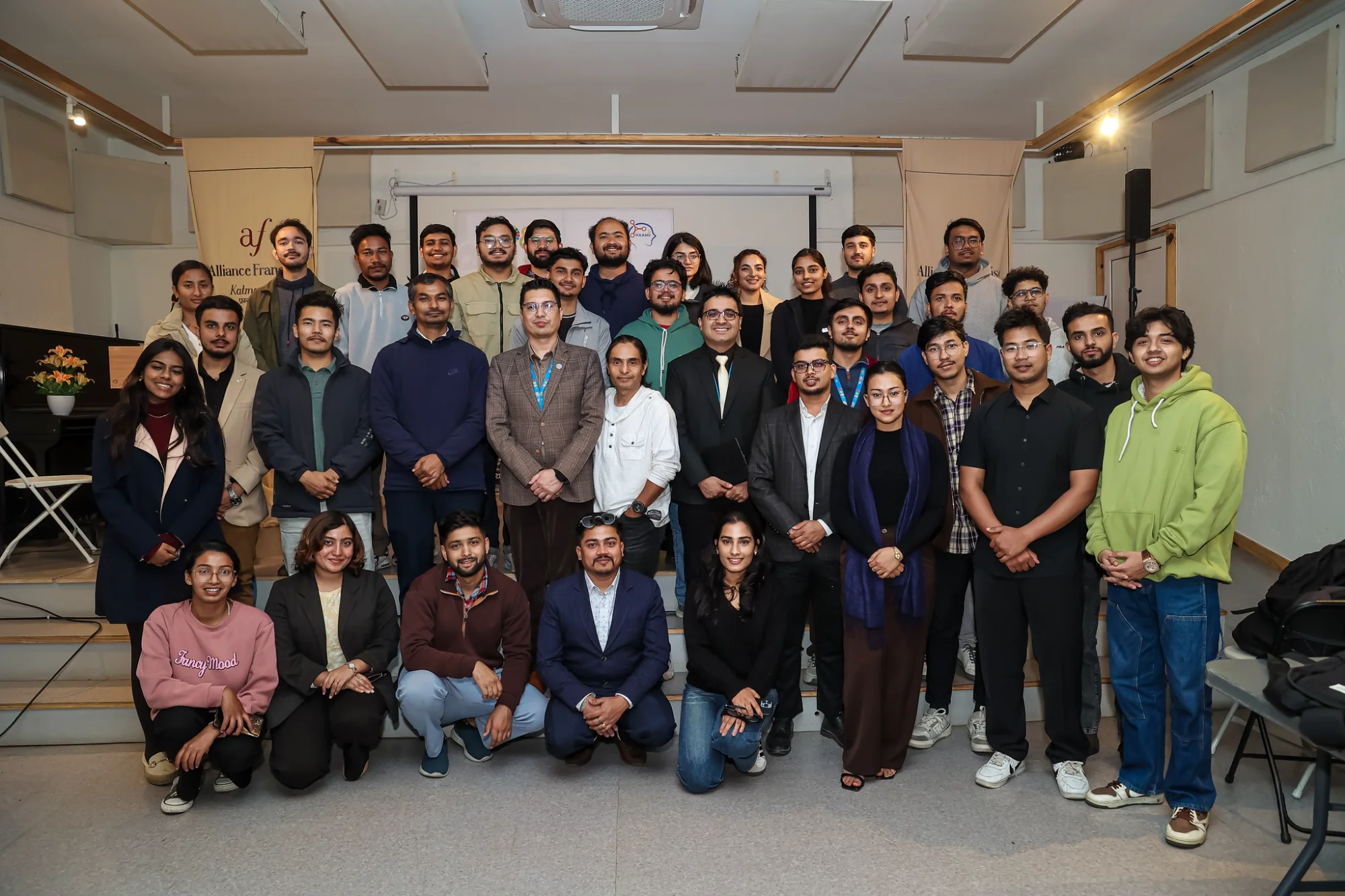
Formal group photo of participants
Building Nepal's tech-ready workforce: Young professionals, private-sector experts, and community members united in agricultural resilience training
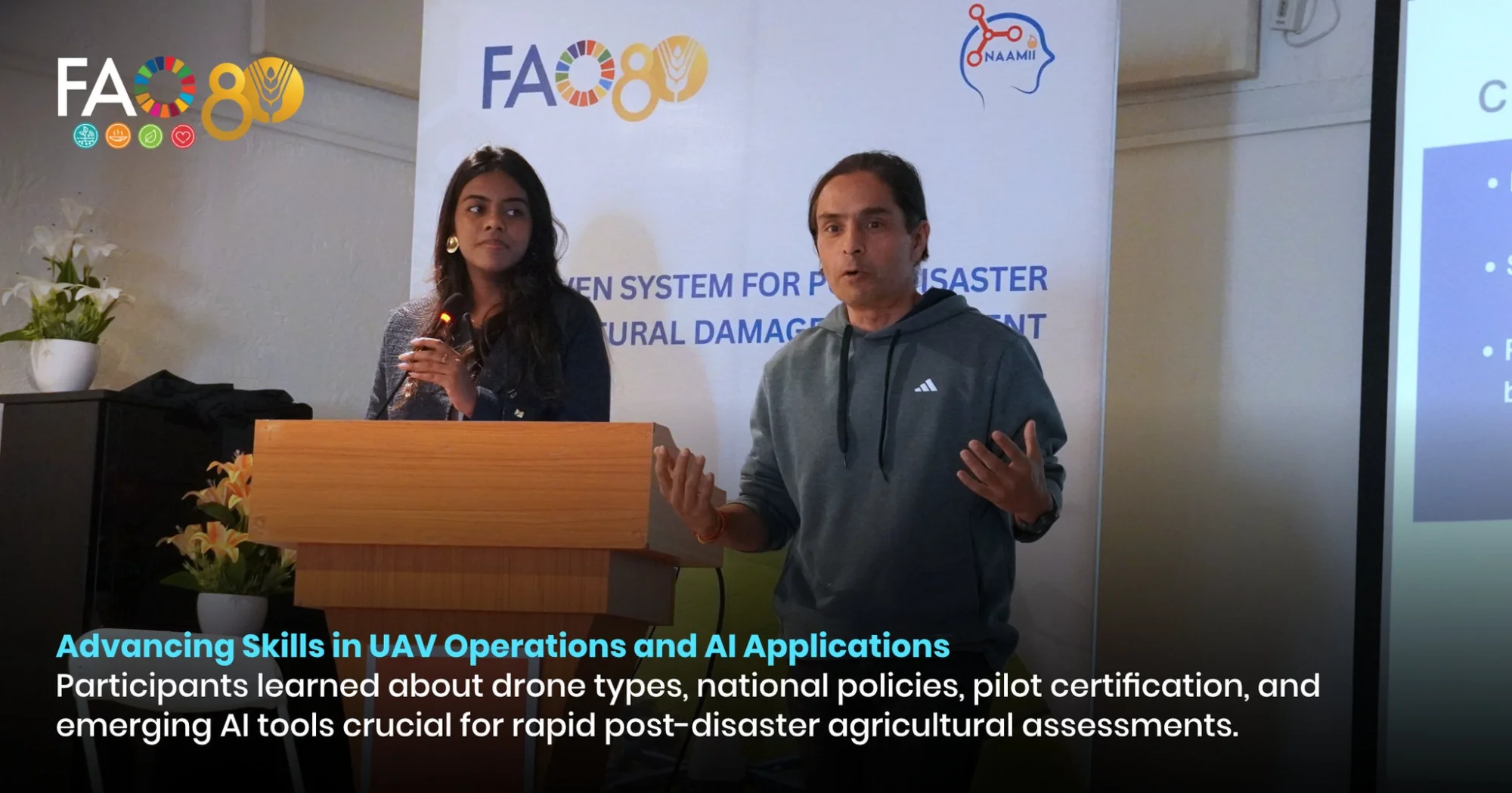
UAV and AI training session
Advancing Skills in UAV Operations and AI Applications: Participants learning about drone types, national policies, pilot certification, and emerging AI tools
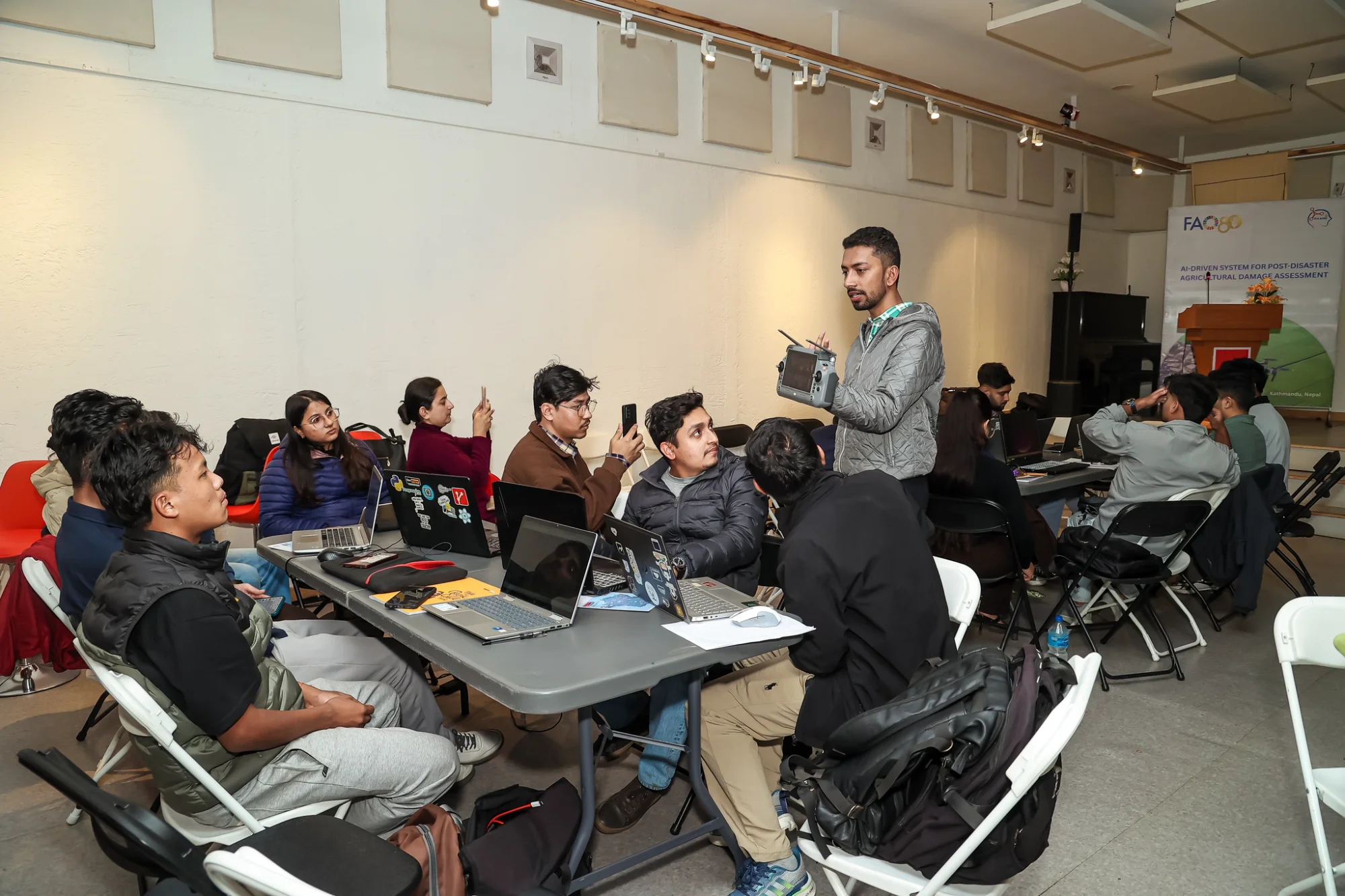
Interactive training session
Hands-on learning environment: Interactive training sessions combining theoretical knowledge with practical applications in agricultural technology
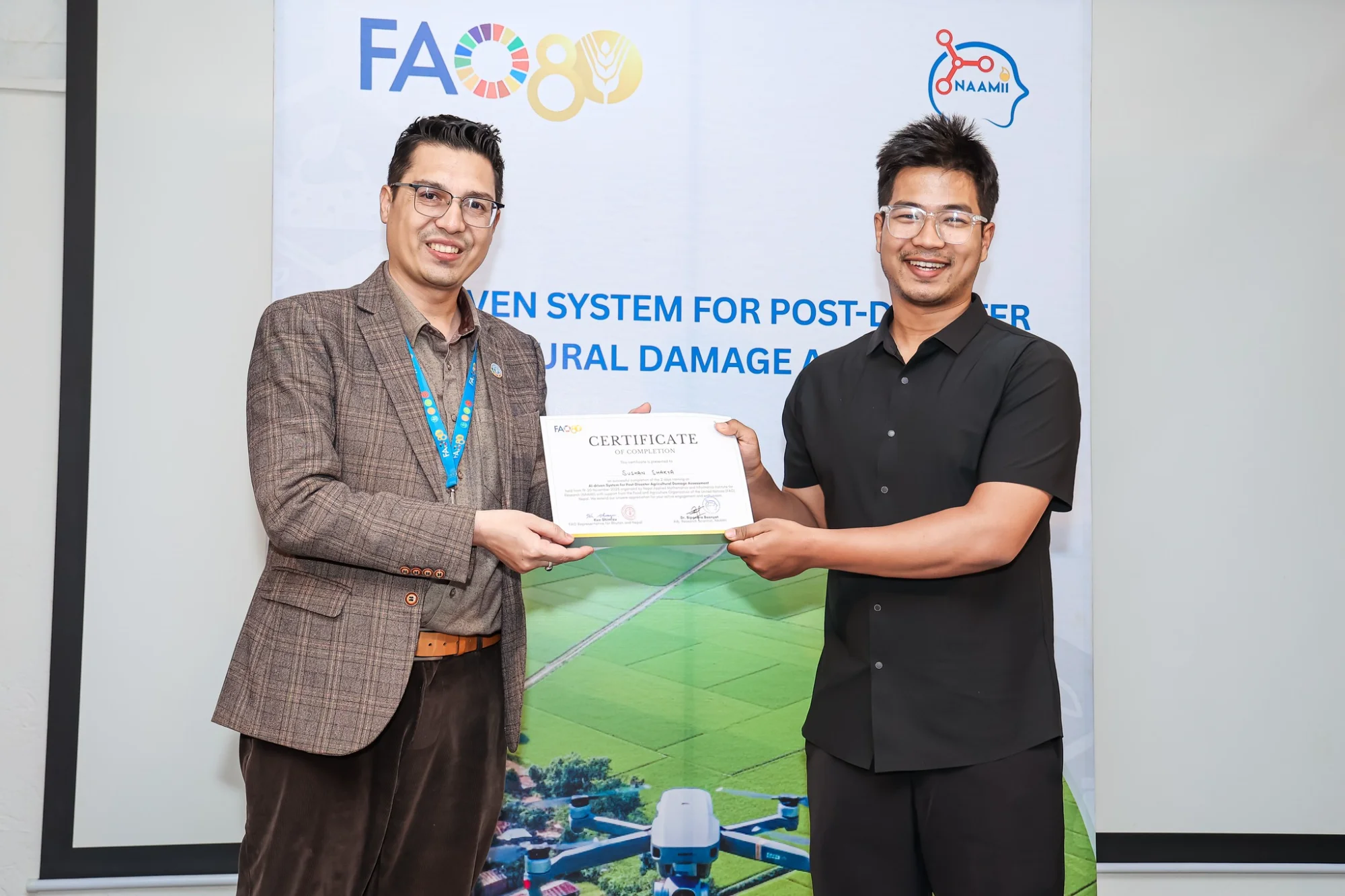
Certificate presentation ceremony
Recognizing achievement: Certificate presentation to participants who completed the comprehensive training program in agricultural damage assessment
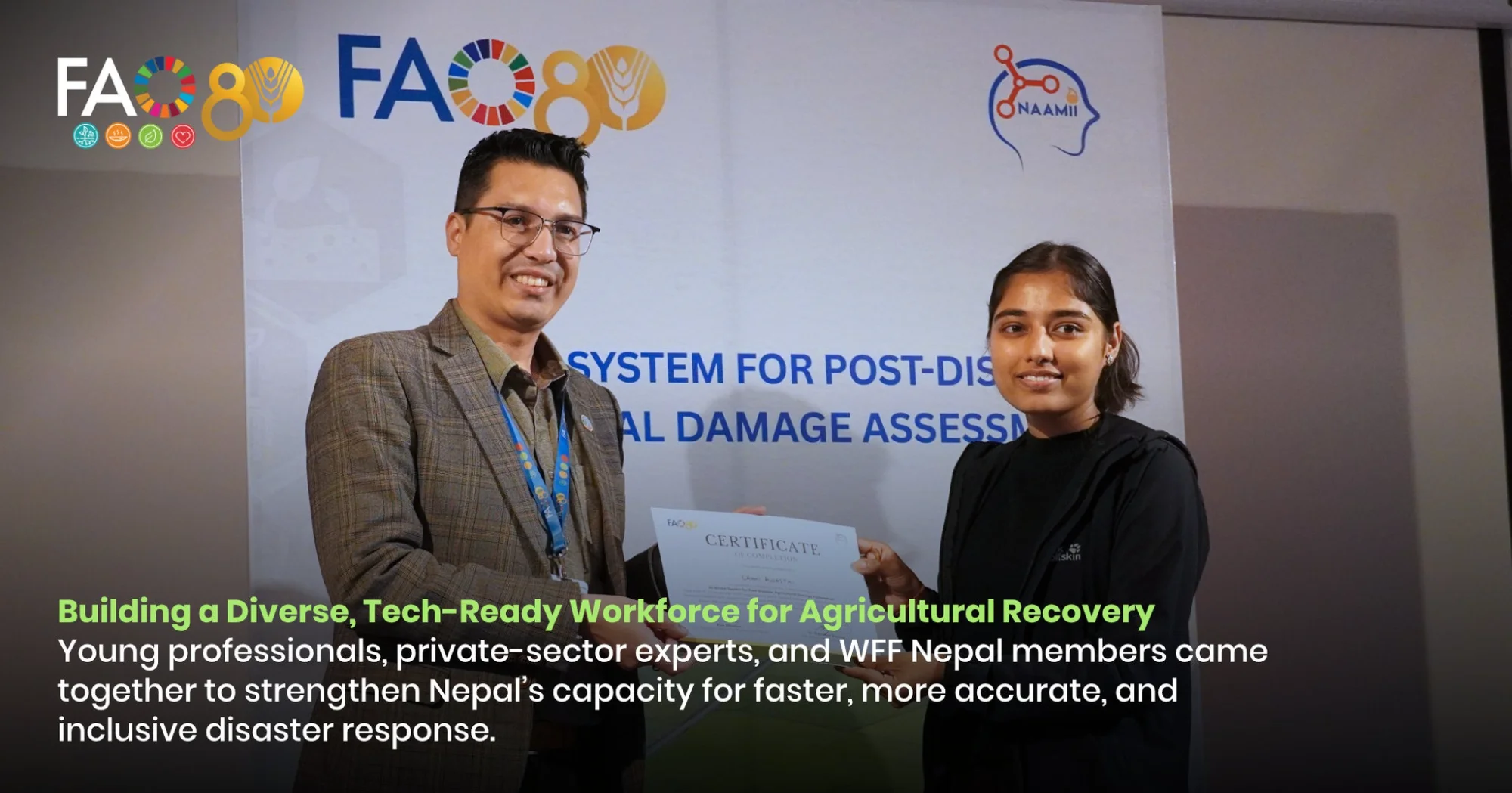
Workforce development focus
Building a Diverse, Tech-Ready Workforce for Agricultural Recovery: Strengthening Nepal's capacity for faster, more accurate, and inclusive disaster response
🎓

Knowledge Transfer

Comprehensive training programs covering UAV operations, AI applications, and policy frameworks to build local expertise and capacity.

🤝

Community Partnerships

Engaging young professionals, private sector experts, and local communities in collaborative agricultural technology development.

🌱

Sustainable Impact

Building long-term resilience through locally-owned technology capabilities and trained workforce development programs.

Key Sources:

  • Aryal et al. (2025) - Systematic review (1979–2024)
  • Mondal et al. (2024) - South Asian productivity losses
  • World Bank - Climate risks in Nepal
  • Nepal NDRRMA - Monsoon Reports

Real-World Impact & Future Vision

Proven results and the path toward global agricultural resilience

The system has been successfully deployed in Nepal's first integrated disaster response system, demonstrating its effectiveness during the October 2025 Koshi Basin floods. This deployment marked a significant milestone in the application of AI technology for agricultural disaster response in South Asia.

The project gained international recognition when FAO Nepal presented the solution at the Science Innovation Forum during the World Food Forum in Rome, showcasing the collaborative approach to global food security challenges. The project is also supported by NSF SBIR Phase I funding, demonstrating its potential for global application and scaling.

Proven Achievements

  • First integrated AI disaster response system in Nepal
  • Successful deployment during major flood events (October 2025 Koshi Basin)
  • Presented by FAO Nepal at World Food Forum, Rome - Science Innovation Forum
  • Supported by NSF SBIR Phase I funding
  • Recognition through Activate Fellowship application process

As climate change continues to intensify agricultural challenges globally, the need for rapid, accurate damage assessment becomes increasingly critical. Our AI-driven system represents the beginning of a new era in agricultural resilience technology.

We envision expanding this technology to serve agricultural communities worldwide, integrating with existing early warning systems, and continuously improving through machine learning to better serve farmers, governments, and humanitarian organizations.

The fusion of ancient agricultural wisdom with cutting-edge AI technology – embodying the journey from "vedas to deep learning" – represents our commitment to creating solutions that honor traditional knowledge while embracing innovation for a more resilient agricultural future.